Upcoming Events
Upcoming and past webinars and livestreams
Coming up next
Foundations: Asset Management Philosophy & the ISO 55000 Suite - Clause 4
Ask five people in your organisation what the assets are actually for. You’ll get five answers. That isn’t a communication problem — it’s a Clause 4 problem. Most asset management systems fail long before the SAMP is written, because nobody first defined the environment the system has to survive in: the regulator, the funding cycle, the 40-year-old pipeline, the community, the drought. Without that context, “value” ends up meaning whatever the loudest department says it means — and every downstream decision inherits the guess. Module 1 lays the foundation. It traces the standard from PAS 55 through to the 2024 revision of ISO 55001, separates what ISO 55000, 55001 and 55002 each do, and locks in the core vocabulary — asset, AMS, SAMP, line of sight, criticality. It then works Clause 4 in full: external and internal issues (PESTLE and SWOT), stakeholder power/interest mapping, drawing a defensible AMS scope boundary, and integrating the AMS into the business planning cycle rather than running it as an engineering silo. Worked examples span water, power, mining, transport and roads. Module Number: Module 1 Duration: 2 Hours (Facilitated workshop with case studies, including interactive Q&A) By the end of this module, you’ll be able to: Place ISO 55001:2024 within the ISO 55000 suite and the GFMAM landscape, and use the core asset management vocabulary with precision. Identify the external and internal issues, and the interested parties, that determine what “value” means for your organisation — and what happens when those expectations aren’t met. Draw and defend an AMS scope boundary, and trace an unbroken line of sight from an organisational objective down to a scheduled maintenance activity. Facilitated by a certified ISO 55001 Lead Auditor. This module is CPD Validated, live or on demand. A certificate is issued on completion.
Measuring Performance and Proving Value
If every dashboard is green while asset availability keeps falling, the problem is not reporting. It is what the organisation has chosen to measure. This executive session helps you connect customer demand to the performance of the assets expected to deliver it. Work with standard measures for Availability, MTBF, OEE and Quality, then build the drill-down path that identifies the specific asset driving a company-wide shortfall. You will leave able to: • calculate and interpret the operational KPIs that matter; • balance leading indicators such as planning and readiness with lagging outcomes such as downtime and missed demand; and • show leadership where performance is being lost and what needs attention first. Part 6 of the eight-part Executive Learning Series. Two hours, discussion-led, with interactive Q&A. CPD validated, live or on demand, with a certificate on completion. Register now and replace reassuring dashboards with evidence leaders can act on.

Foundations: Asset Management Philosophy & the ISO 55000 Suite - Clause 5
Your asset management system isn’t failing because of the SCADA platform. A decade of ISO 55001 implementations points to one variable above all others: leadership. Every requirement in Clause 5 opens with the same two words — top management shall. The repetition is deliberate. Engineers and maintenance teams can support an asset management system; they cannot own it. Where ownership is unclear, the policy sits on a shelf, the asset register stays incomplete for want of people to maintain it, and a plant manager carries responsibility with no authority to act on it. Module 2 takes Clause 5 apart. It covers the ten leadership obligations of 5.1 and what genuine commitment looks like in evidence rather than intent; the five requirements of an asset management policy under 5.2, with a side-by-side of a policy that anchors to nothing versus one that names its purpose, its legislation and its licence conditions; and the responsibility / authority / accountability distinction under 5.3, including the two assignments top management must formally make to named individuals. It closes by tracing a single unbroken line of sight from a boardroom commitment to a contractor arriving on site in 90 minutes. Module Number: Module 2 Duration: 2 Hours (Facilitated workshop with case studies, including interactive Q&A) By the end of this module, you’ll be able to: Explain why Clause 5 places accountability for the AMS with top management, and describe the ten leadership obligations it imposes. Test an asset management policy against the five requirements of Clause 5.2 — and judge whether it is actually known in the field or only on file. Distinguish responsibility, authority and accountability under Clause 5.3, and make the two mandatory assignments without creating the most common governance failure. Facilitated by a certified ISO 55001 Lead Auditor. This module is CPD Validated, live or on demand. A certificate is issued on completion.
Continuous Improvement Through Learning
Closing a work order is not the same as fixing the failure. If the repair is never verified, the same loss can return under a different ticket. This session shows maintenance and reliability leaders how to close the learning loop after failures, warning signs and completed work. Apply risk-proportional RCA triggers, classify failure modes consistently across the fleet and verify that corrective work has restored the required capacity before the job is closed. You will leave able to: • decide when a failure needs a full investigation or a rapid team review; • expose recurring loss patterns hidden across assets; and • confirm that the fix works and reduces the chance of recurrence. Part 7 of the eight-part Executive Learning Series. The two-hour discussion-led session includes Q&A, is CPD validated, can be joined live or watched on demand, and includes a certificate. Register now and stop repeat failures from disappearing behind closed tickets.
Governing Reliability as a Management System
Seven reliability initiatives competing for the same budget will not create a reliable service. They need one management system. In the final session of this executive series, bring the full transformation journey together. Learn how to run a decision-focused review, structure an eight-view management report, assign cross-functional accountability and judge where AI can add value without weakening human oversight. You will leave able to: • integrate the eight reliability building blocks into one governed system; • trace customer demand to accountable asset owners; and • assess your organisation's readiness for responsible automated analytics. Built for leaders responsible for service performance, asset reliability and transformation governance. This two-hour, discussion-led session includes interactive Q&A. It is CPD validated, available live or on demand, and includes a certificate on completion. Register now and turn eight separate initiatives into one system leadership can govern.
Manufacturing & Industrial Systems
Measuring Performance and Proving Value
If every dashboard is green while asset availability keeps falling, the problem is not reporting. It is what the organisation has chosen to measure. This executive session helps you connect customer demand to the performance of the assets expected to deliver it. Work with standard measures for Availability, MTBF, OEE and Quality, then build the drill-down path that identifies the specific asset driving a company-wide shortfall. You will leave able to: • calculate and interpret the operational KPIs that matter; • balance leading indicators such as planning and readiness with lagging outcomes such as downtime and missed demand; and • show leadership where performance is being lost and what needs attention first. Part 6 of the eight-part Executive Learning Series. Two hours, discussion-led, with interactive Q&A. CPD validated, live or on demand, with a certificate on completion. Register now and replace reassuring dashboards with evidence leaders can act on.
Continuous Improvement Through Learning
Closing a work order is not the same as fixing the failure. If the repair is never verified, the same loss can return under a different ticket. This session shows maintenance and reliability leaders how to close the learning loop after failures, warning signs and completed work. Apply risk-proportional RCA triggers, classify failure modes consistently across the fleet and verify that corrective work has restored the required capacity before the job is closed. You will leave able to: • decide when a failure needs a full investigation or a rapid team review; • expose recurring loss patterns hidden across assets; and • confirm that the fix works and reduces the chance of recurrence. Part 7 of the eight-part Executive Learning Series. The two-hour discussion-led session includes Q&A, is CPD validated, can be joined live or watched on demand, and includes a certificate. Register now and stop repeat failures from disappearing behind closed tickets.
Governing Reliability as a Management System
Seven reliability initiatives competing for the same budget will not create a reliable service. They need one management system. In the final session of this executive series, bring the full transformation journey together. Learn how to run a decision-focused review, structure an eight-view management report, assign cross-functional accountability and judge where AI can add value without weakening human oversight. You will leave able to: • integrate the eight reliability building blocks into one governed system; • trace customer demand to accountable asset owners; and • assess your organisation's readiness for responsible automated analytics. Built for leaders responsible for service performance, asset reliability and transformation governance. This two-hour, discussion-led session includes interactive Q&A. It is CPD validated, available live or on demand, and includes a certificate on completion. Register now and turn eight separate initiatives into one system leadership can govern.
Professional Practice, Ethics & Compliance
Foundations: Asset Management Philosophy & the ISO 55000 Suite - Clause 4
Ask five people in your organisation what the assets are actually for. You’ll get five answers. That isn’t a communication problem — it’s a Clause 4 problem. Most asset management systems fail long before the SAMP is written, because nobody first defined the environment the system has to survive in: the regulator, the funding cycle, the 40-year-old pipeline, the community, the drought. Without that context, “value” ends up meaning whatever the loudest department says it means — and every downstream decision inherits the guess. Module 1 lays the foundation. It traces the standard from PAS 55 through to the 2024 revision of ISO 55001, separates what ISO 55000, 55001 and 55002 each do, and locks in the core vocabulary — asset, AMS, SAMP, line of sight, criticality. It then works Clause 4 in full: external and internal issues (PESTLE and SWOT), stakeholder power/interest mapping, drawing a defensible AMS scope boundary, and integrating the AMS into the business planning cycle rather than running it as an engineering silo. Worked examples span water, power, mining, transport and roads. Module Number: Module 1 Duration: 2 Hours (Facilitated workshop with case studies, including interactive Q&A) By the end of this module, you’ll be able to: Place ISO 55001:2024 within the ISO 55000 suite and the GFMAM landscape, and use the core asset management vocabulary with precision. Identify the external and internal issues, and the interested parties, that determine what “value” means for your organisation — and what happens when those expectations aren’t met. Draw and defend an AMS scope boundary, and trace an unbroken line of sight from an organisational objective down to a scheduled maintenance activity. Facilitated by a certified ISO 55001 Lead Auditor. This module is CPD Validated, live or on demand. A certificate is issued on completion.
Foundations: Asset Management Philosophy & the ISO 55000 Suite - Clause 5
Your asset management system isn’t failing because of the SCADA platform. A decade of ISO 55001 implementations points to one variable above all others: leadership. Every requirement in Clause 5 opens with the same two words — top management shall. The repetition is deliberate. Engineers and maintenance teams can support an asset management system; they cannot own it. Where ownership is unclear, the policy sits on a shelf, the asset register stays incomplete for want of people to maintain it, and a plant manager carries responsibility with no authority to act on it. Module 2 takes Clause 5 apart. It covers the ten leadership obligations of 5.1 and what genuine commitment looks like in evidence rather than intent; the five requirements of an asset management policy under 5.2, with a side-by-side of a policy that anchors to nothing versus one that names its purpose, its legislation and its licence conditions; and the responsibility / authority / accountability distinction under 5.3, including the two assignments top management must formally make to named individuals. It closes by tracing a single unbroken line of sight from a boardroom commitment to a contractor arriving on site in 90 minutes. Module Number: Module 2 Duration: 2 Hours (Facilitated workshop with case studies, including interactive Q&A) By the end of this module, you’ll be able to: Explain why Clause 5 places accountability for the AMS with top management, and describe the ten leadership obligations it imposes. Test an asset management policy against the five requirements of Clause 5.2 — and judge whether it is actually known in the field or only on file. Distinguish responsibility, authority and accountability under Clause 5.3, and make the two mandatory assignments without creating the most common governance failure. Facilitated by a certified ISO 55001 Lead Auditor. This module is CPD Validated, live or on demand. A certificate is issued on completion.
Past Events
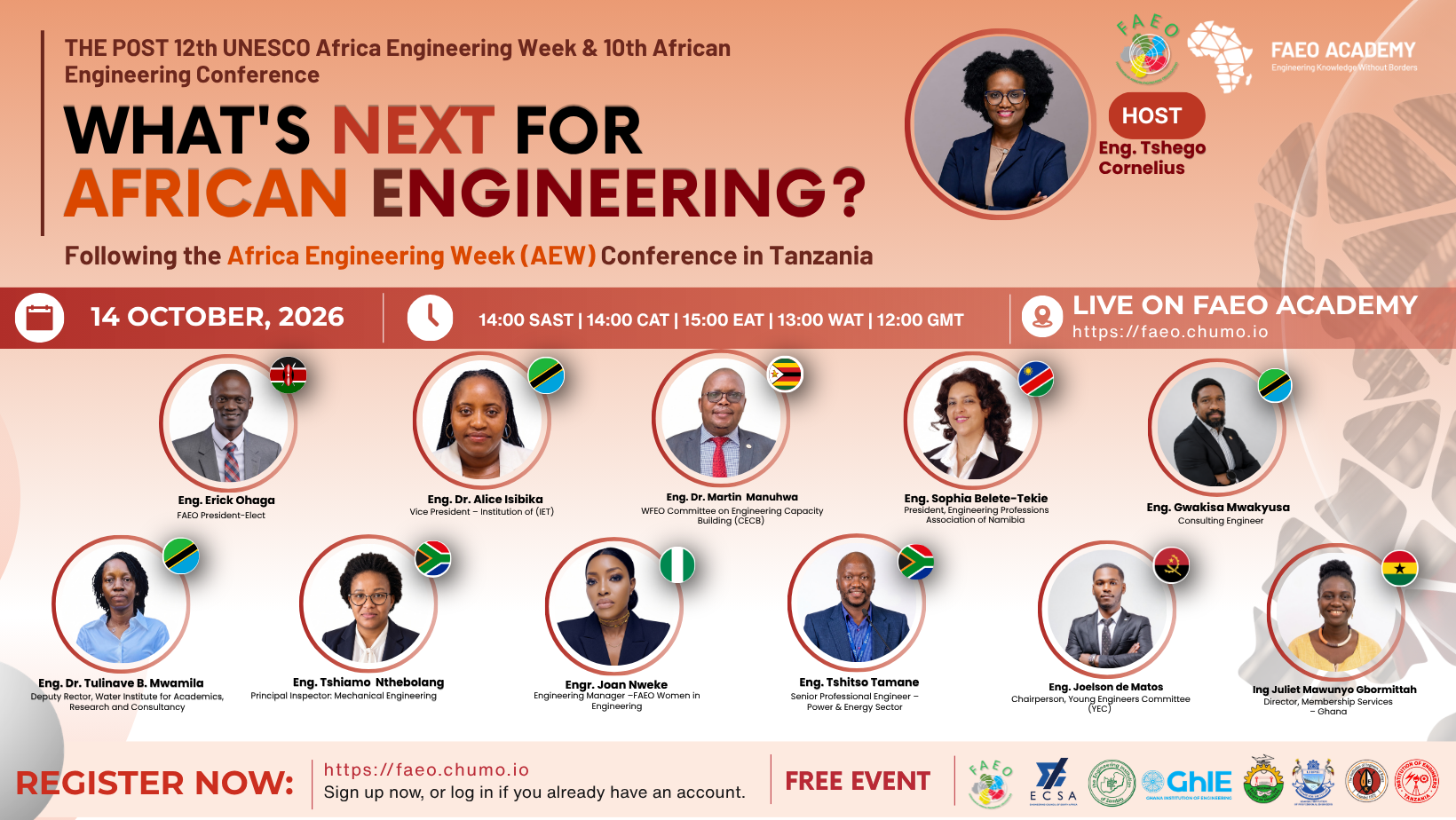
THE POST 12th UNESCO Africa Engineering Week & 10th African Engineering Conference
"The conference may be over. The decisions facing African engineering are not. THE POST is a focused follow-on to the 12th UNESCO Africa Engineering Week and 10th African Engineering Conference. It asks the question that matters after the speeches, papers and commitments: what happens next for African engineering? Join the conversation on the priorities, partnerships and practical next moves needed to turn the conference agenda into delivery across the continent. This session is for engineering leaders, institutions, professionals and partners who want to stay connected to the work beyond the main event. Attend on 14 October 2026 and help carry the conversation from conference momentum to coordinated action. Register now to join THE POST and help shape what comes next."

Engineering Workplace Readiness, Session 2: Technical Communication as an Engineering Competency
Your calculations were perfect. Your handover was not. A vague reading, a missing asset number or an instruction that is never confirmed can turn into downtime, rework, damaged equipment or a safety incident. In engineering, technical competence ends only when the right information reaches the right person in a form they can act on. This two-hour masterclass treats communication as an engineered system. Using real operational scenarios, you will learn to separate evidence from interpretation, write defensible fault reports, use closed-loop verbal protocols and choose the right channel for urgency, risk and traceability. You will also practise adapting one set of facts for operators, engineers, managers and regulators. Built for graduates, technicians, technologists and engineers across disciplines. Includes Q&A, a practical checklist for your next shift or site meeting and 0.2 ECSA CPD points. Access the session and make your communication as reliable as your technical work.
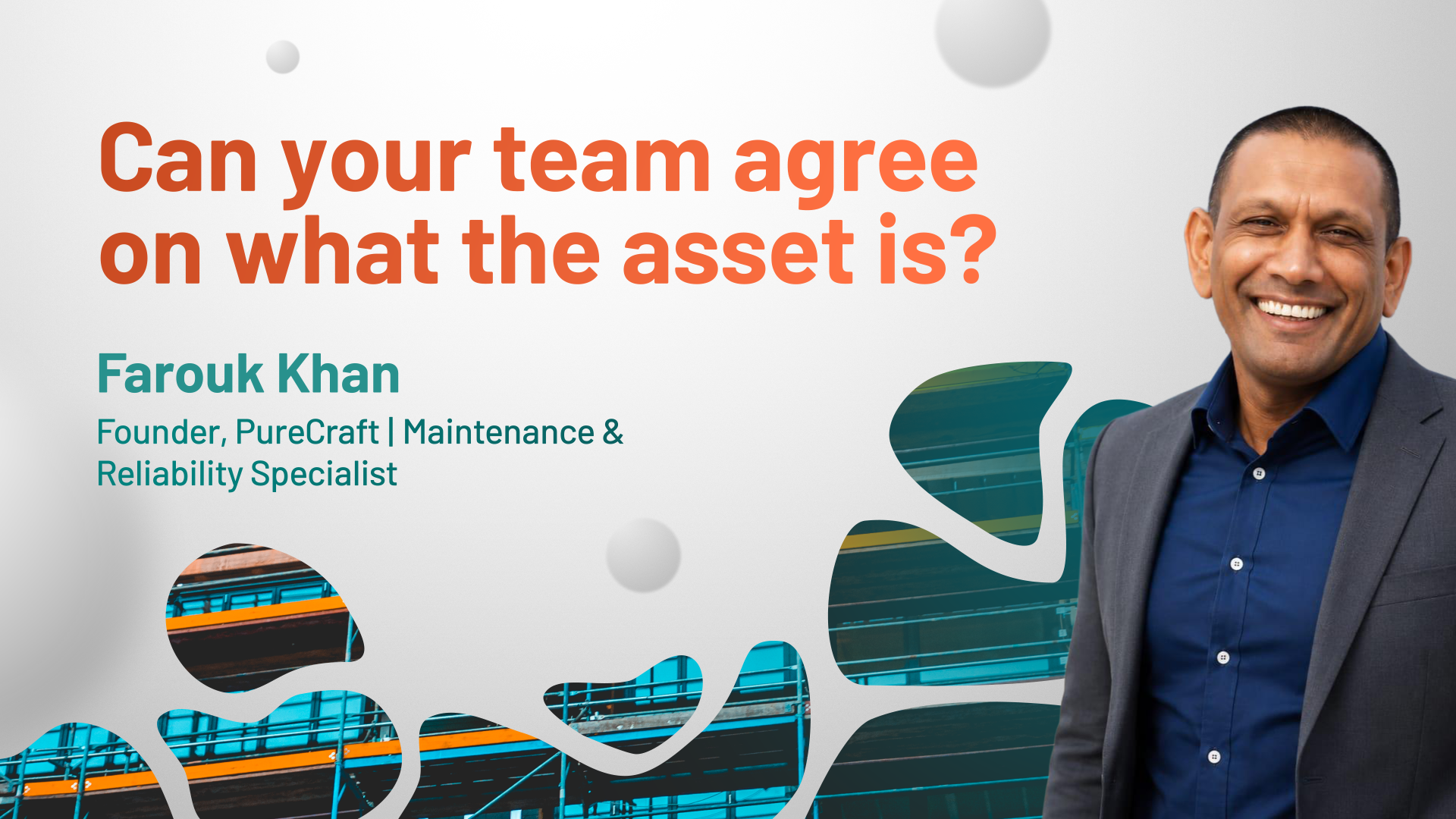
Building the Asset, Information & Criticality Foundation
When maintenance, finance and engineering use different names for the same asset, every decision starts with avoidable doubt. This executive session shows how to create one trusted asset language across the organisation. Build a functional hierarchy, define the minimum credible asset record and apply Portfolio Criticality Analysis so scarce money, people and analytical effort go first to the risks that threaten service delivery. You will leave able to: • connect service areas, systems, assets and components in one traceable structure; • set decision-quality data standards and create a reliable golden thread of asset information; and • match analytical rigour to genuine risk exposure. Part 3 of the eight-part Executive Learning Series. Two hours, discussion-led, with interactive Q&A. CPD validated, live or on demand, with a certificate on completion. Access the session and give every team one asset language they can trust.
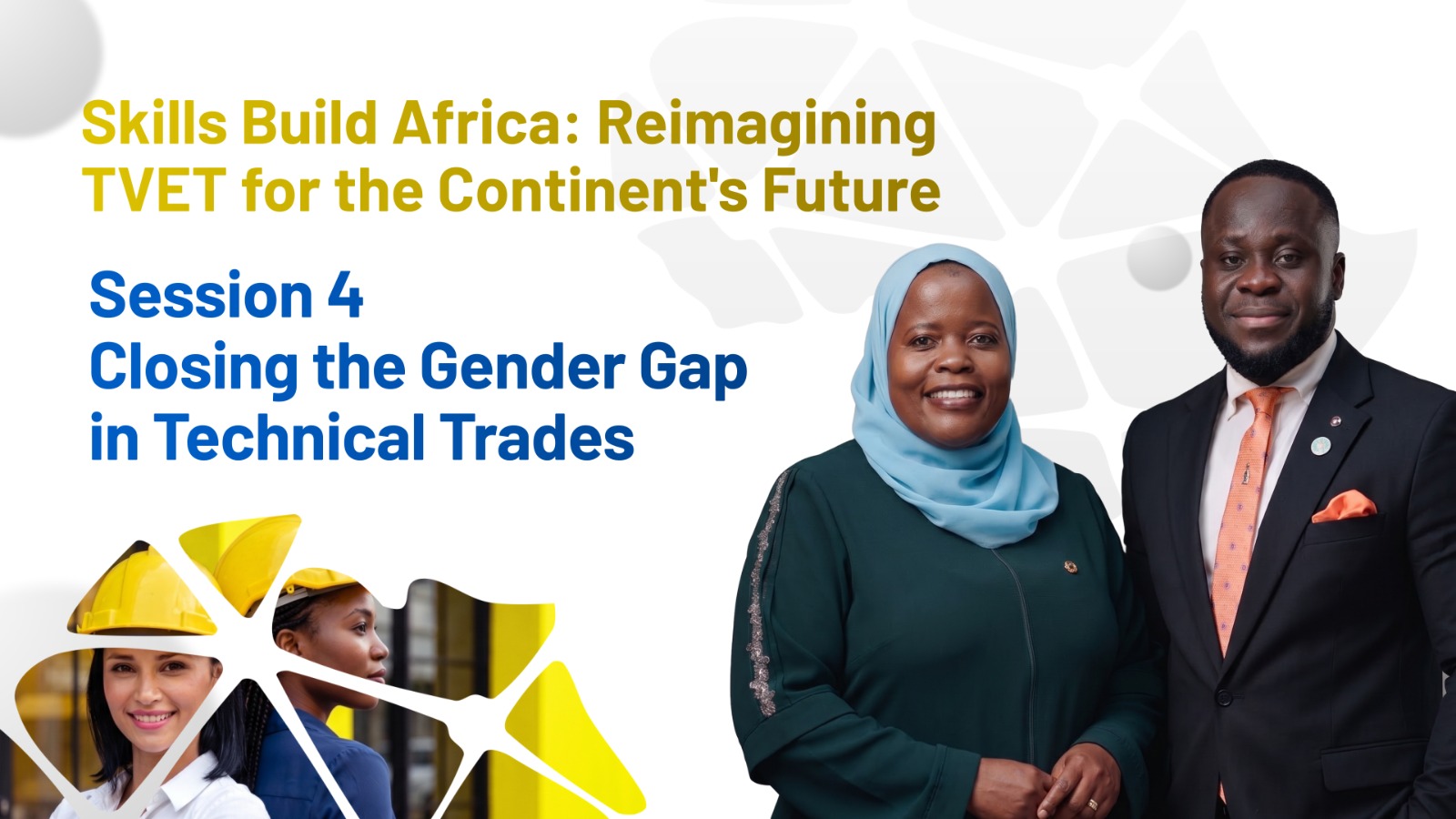
Skills Build Africa: Reimagining TVET for the Continent's Future — Session 4: Closing the Gender Gap in Technical Trades
Session 4: Closing the Gender Gap in Technical Trades Moderated by Ing. Bismark Otoo, MEng, BSc, GhIE — Air Traffic Safety Engineer, Ghana Civil Aviation Authority. Speaker: Ms. Nakakande Hadijah — Technical Principal, TVET Expert and Champion for Green Skills, Youth Development and Women's Empowerment. Technical trades remain among the most male-dominated fields on the continent, and the same barriers keep rural youth and persons with disabilities out of the workshop. This session looks at what actually shifts participation, from recruitment and workshop culture to retention and placement, and what training institutions can put in place now. 8 September 2026, 2:00PM (GMT) · 4:00PM (SAST) · 3:00PM (WAT) · 5:00PM (EAT). Duration: 90 minutes.
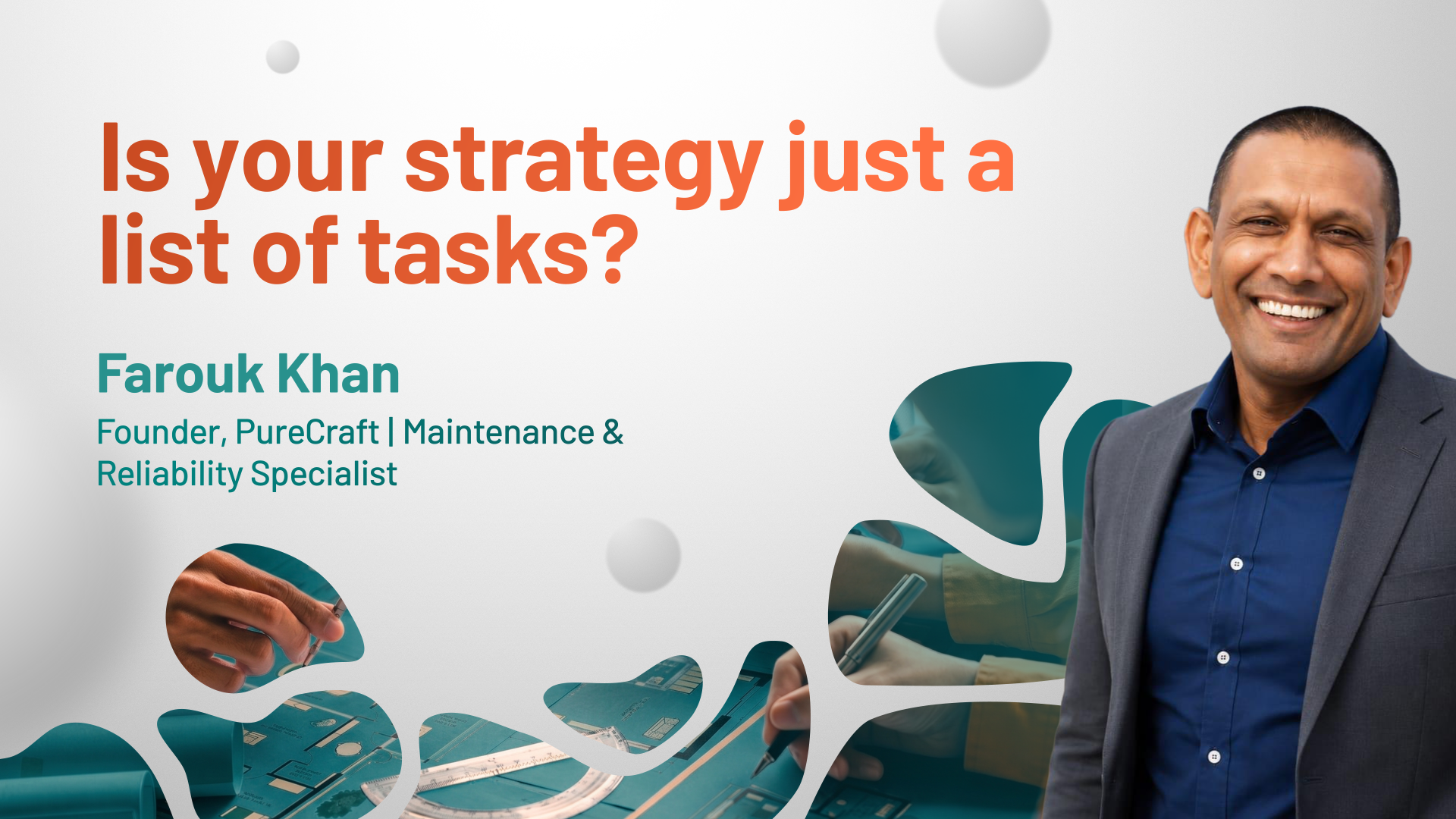
Developing the Maintenance & Reliability Transformation Strategy
Strategy without structure is an opinion with a deadline. This executive session converts a reliability mandate into decisions your organisation can govern. Build a step-by-step roadmap to define service obligations, manage system risk across functions, select the right analytical pathway for your assets and launch a focused 90-day move leadership can see. You will leave able to: • align customer promises with real asset capability and explicit risk appetite; • choose between RCM, PMO, RBI and RCA based on asset behaviour rather than preference; and • establish cross-functional governance for a visible first commitment. Part 2 of the eight-part Executive Learning Series. Two hours, discussion-led, with interactive Q&A. CPD validated, live or on demand, with a certificate on completion. Access the session and leave with a 90-day reliability move your board can govern.

Engineering Workplace Readiness: Professional Conduct & Communication
A qualification proves you can do the work. It does not prove you can be trusted to do it. This masterclass tackles the workplace behaviours that put safety, service delivery and public trust at risk: concealed mistakes, unwitnessed sign-offs, normalised shortcuts and unclear instructions. Through two incident case studies and six live audience votes, you will learn to: • separate technical competence, compliance and professional ethics; • classify human error, at-risk behaviour, recklessness and deliberate misconduct under a just-culture framework; and • raise concerns, decline unsafe instructions, report mistakes and hand over shifts using language and closed-loop protocols that hold up under pressure. Presented by a senior water-sector learning and development practitioner who is a registered HR professional, assessor and moderator. Two hours including Q&A and live polling. CPD validated, live or on demand, with a certificate. Access the session and build conduct your team, employer and the public can trust.
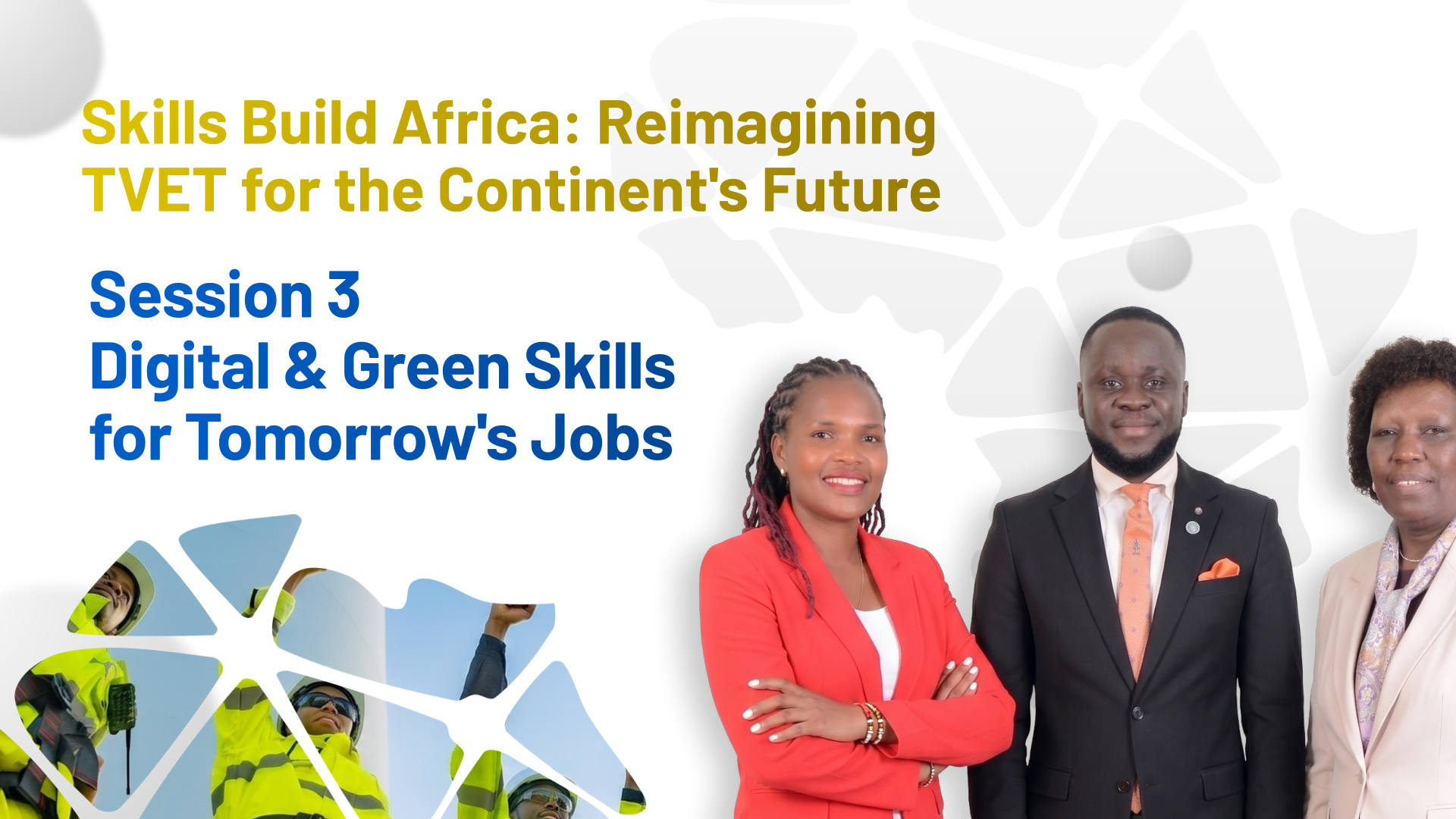
Skills Build Africa: Reimagining TVET for the Continent's Future — Session 3 Digital & Green Skills for Tomorrow's Jobs
The energy transition and digital economy are creating technical jobs faster than many training systems can prepare people for them. This session helps TVET leaders and partners identify where digital and green skills demand is emerging and what education systems must change to respond in time. Hear from Joyline Chepkirui, Digital Transformation Coordinator in Kenya's State Department for TVET, and Anne Kamonjo, Head of its Greening TVET and Climate Change Unit. The conversation connects digital learning, green skills and workforce readiness so institutions can review programmes against the jobs taking shape now. Designed for TVET leaders, educators, policymakers, employers and development partners working to align technical training with tomorrow's labour market. Moderated by Ing. Bismark Otoo of the Ghana Civil Aviation Authority. Access the session and test whether your skills programmes are moving as fast as the market.
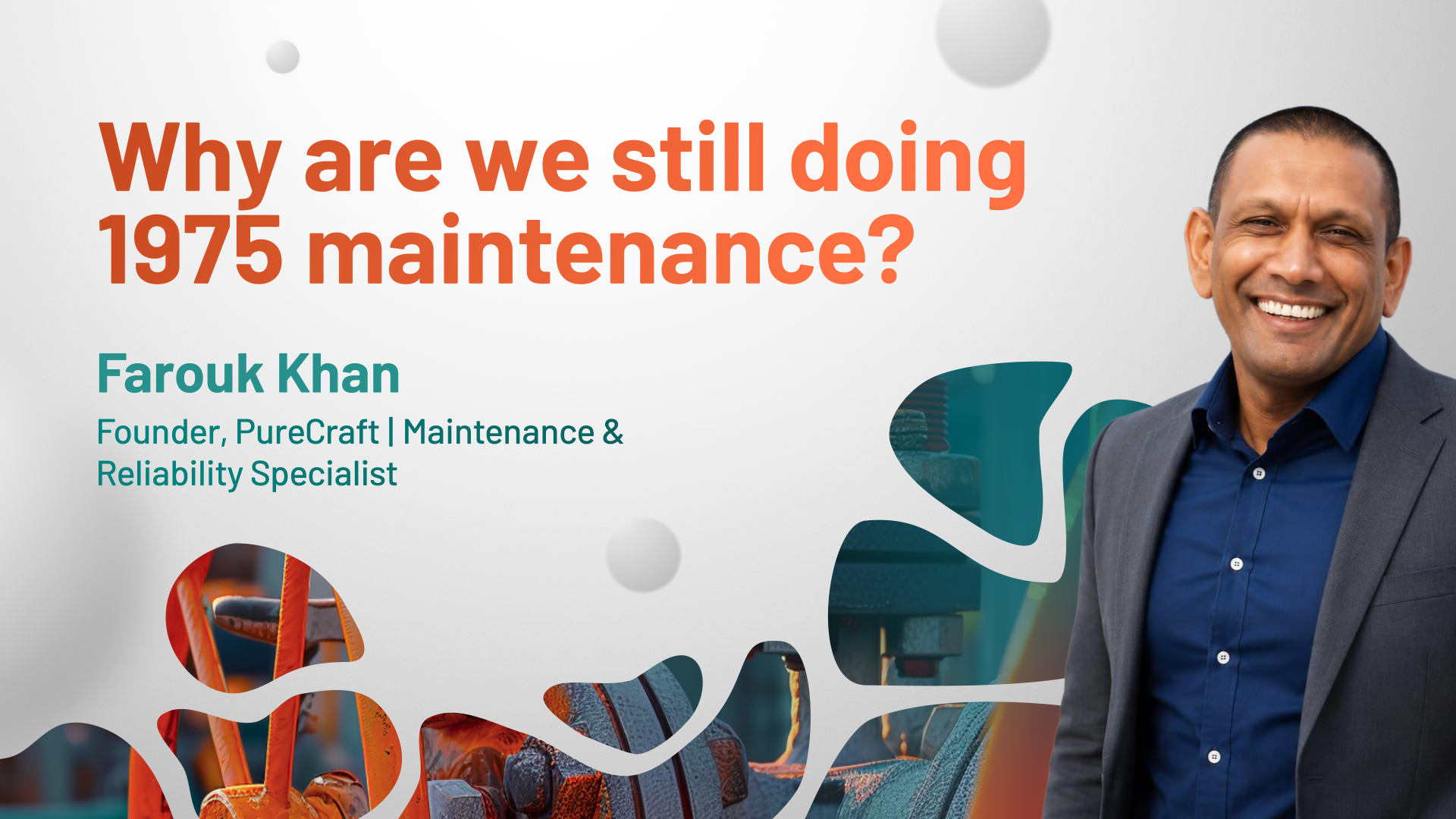
Reliability: A Strategic Capability
1975 called. Your maintenance strategy answered. Fixed intervals, break-fix routines and knowledge trapped in a few experienced heads still shape too many operations. The hidden cost appears in missed service, wasted budget and declining public trust. This executive session reframes reliability as an organisational capability, not a repair task. See how connected operating evidence, onboard diagnostics and fleet-wide learning replace guesswork, then apply the eight-step PureCraft reliability learning chain to turn raw data into verified performance. You will leave able to: • position reliability as the capability protecting every service outcome; • move from calendar-based work to condition-informed decisions; and • give leadership evidence they can trust. Part 1 of the eight-part Executive Learning Series. Two hours with discussion and Q&A. CPD validated, live or on demand, with a certificate. Access the session and move reliability from reactive repair to executive capability.
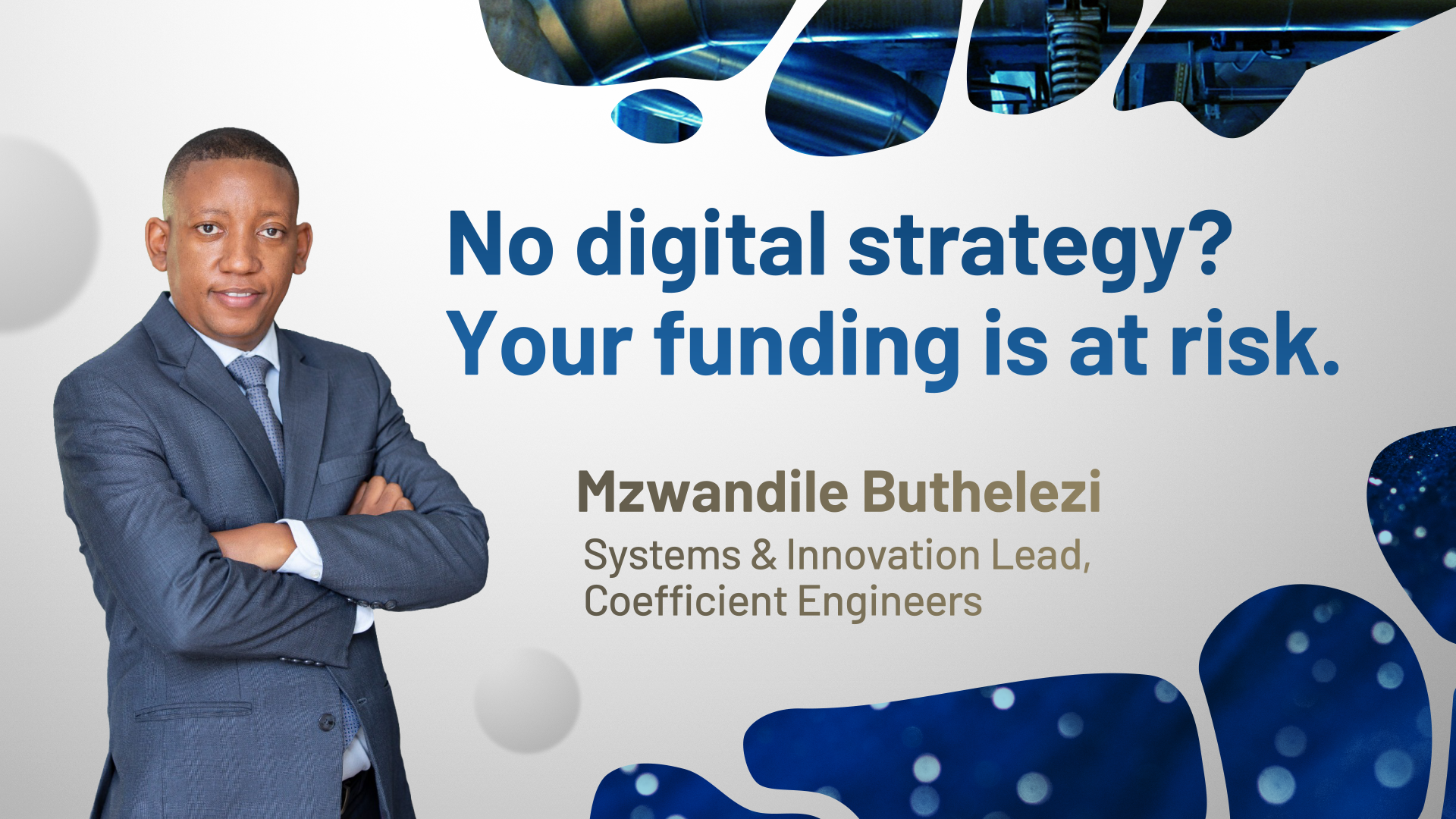
Digital Skills & Literacy for the Future of Water
Water leaders are being asked to govern more data, more technology and more risk while climate pressure and non-revenue water keep rising. Digital transformation is no longer only an IT decision. It is an executive responsibility. This two-hour interactive session gives utility and municipal leaders a practical way to evaluate technology without vendor hype. Use five questions and five data dimensions to test whether information is decision-ready. Assess AMI, SCADA and AI across technical, organisational, regulatory and financial risk. Apply four governance pillars to POPIA, DWS and Blue/Green Drop obligations, then use the Build, Buy, Borrow and Bridge model to plan workforce capability. Presented by Mzwandile Buthelezi, an ECSA-registered electrical engineer with 19+ years in deployment, operational readiness and digital transformation. Includes Q&A, 0.20 ECSA CPD credits and a certificate. Access the session and make your next digital investment easier to defend.
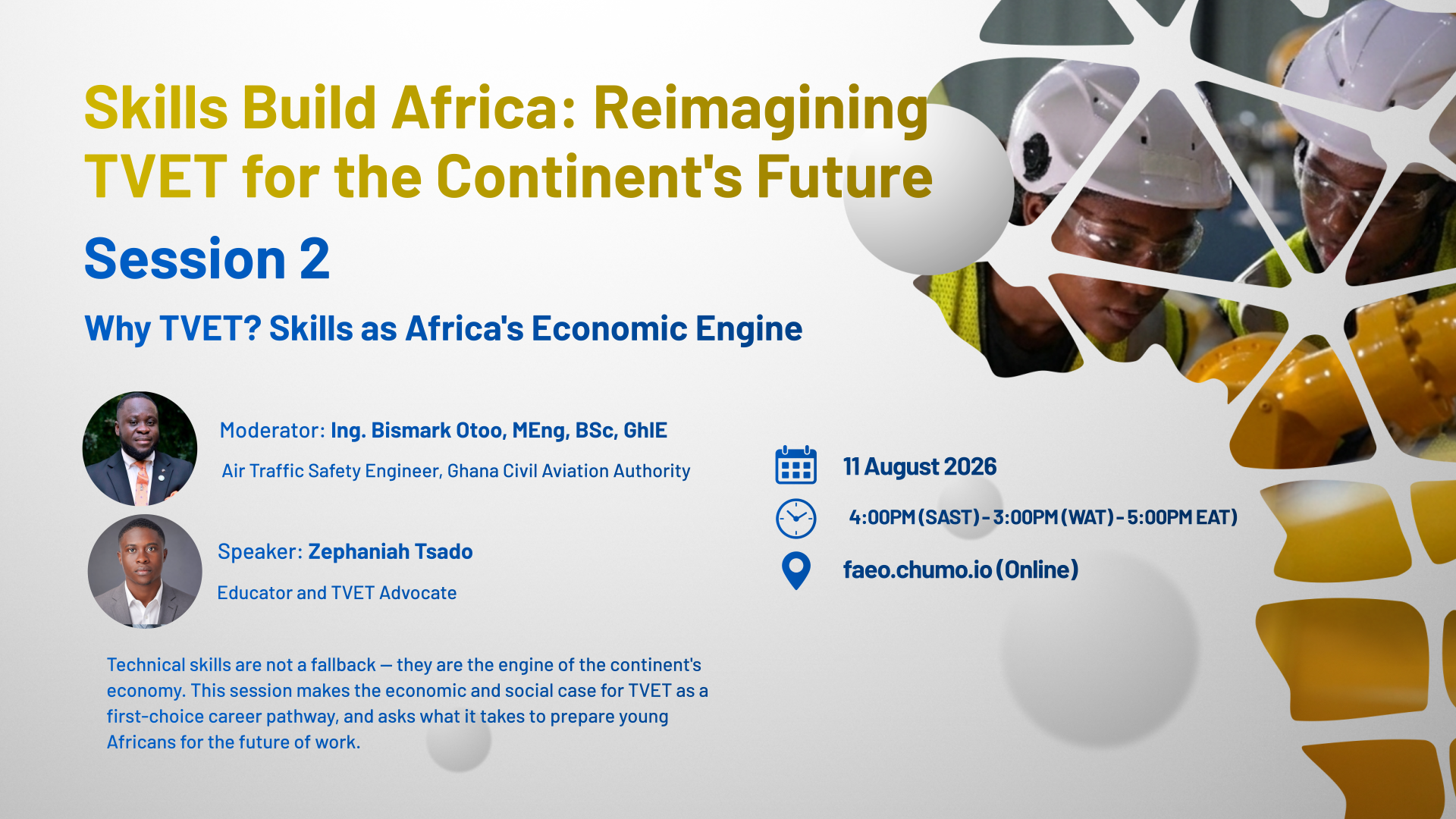
Skills Build Africa: Reimagining TVET for the Continent's Future — Session 2 Why TVET? Skills as Africa's Economic Engine
Technical skills are not a fallback. They are part of the infrastructure of Africa's economy. This session makes the economic and social case for TVET as a first-choice pathway and asks what must change to prepare young Africans for the future of work. Explore how perception, employer demand, education choices and opportunity connect, and why stronger technical pathways matter for growth as well as individual mobility. Featuring educator and TVET advocate Zephaniah Tsado, with moderation by Ing. Bismark Otoo of the Ghana Civil Aviation Authority. Designed for educators, policymakers, employers, parents, learners and development partners who want technical education to become a visible, credible route to opportunity. Access the session and strengthen the case for TVET as a first-choice pathway.
Digital Skills and Literacy for the Future of Mining
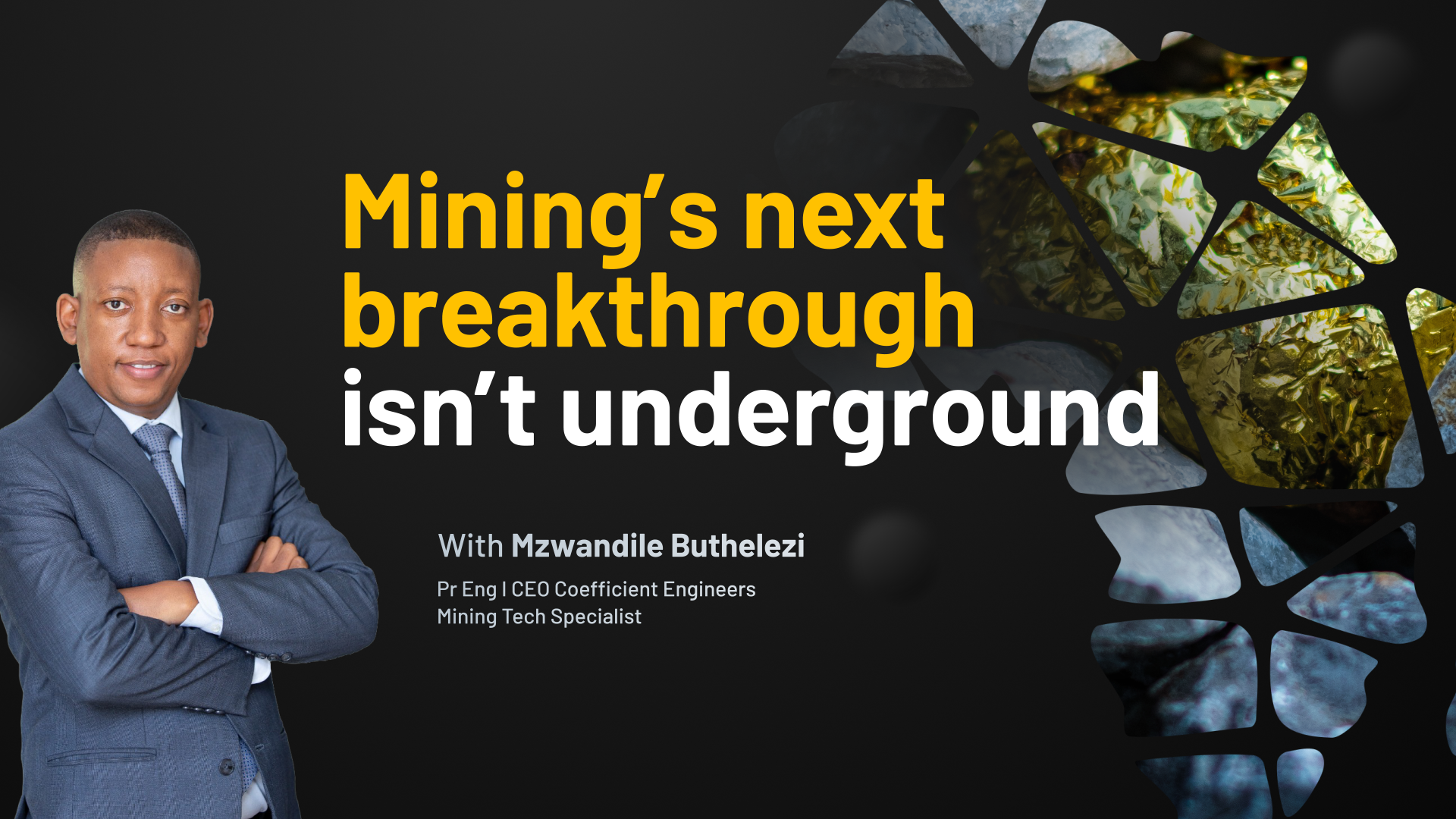
Mining operations are producing more data than many leadership teams can confidently use. The risk is not only wasted technology spend. It is capital allocated on instinct, habit or an untested dashboard. This two-hour on-demand session gives mining leaders the digital literacy to read operational data critically, evaluate vendors on fit rather than pitch and assess adoption risk before committing. You will learn to govern AI and data quality at board level and connect digital investment to strategy and capital allocation. Presented by Mzwandile Buthelezi, Professional Engineer, CEO of Coefficient Engineers and a specialist in mining innovation, deployment and operational readiness. Built for executives, electrical, electronics, reliability and mechanical engineers, and technologists working in or supplying mining. Watch at your own pace. Includes 0.20 ECSA CPD validated credits and a certificate. Watch on demand and make your next digital investment easier to evaluate and defend.
Skills Build Africa: Reimagining TVET for the Continent's Future — Session 1 From Competence to Credibility: Making African TVET Visible to the World
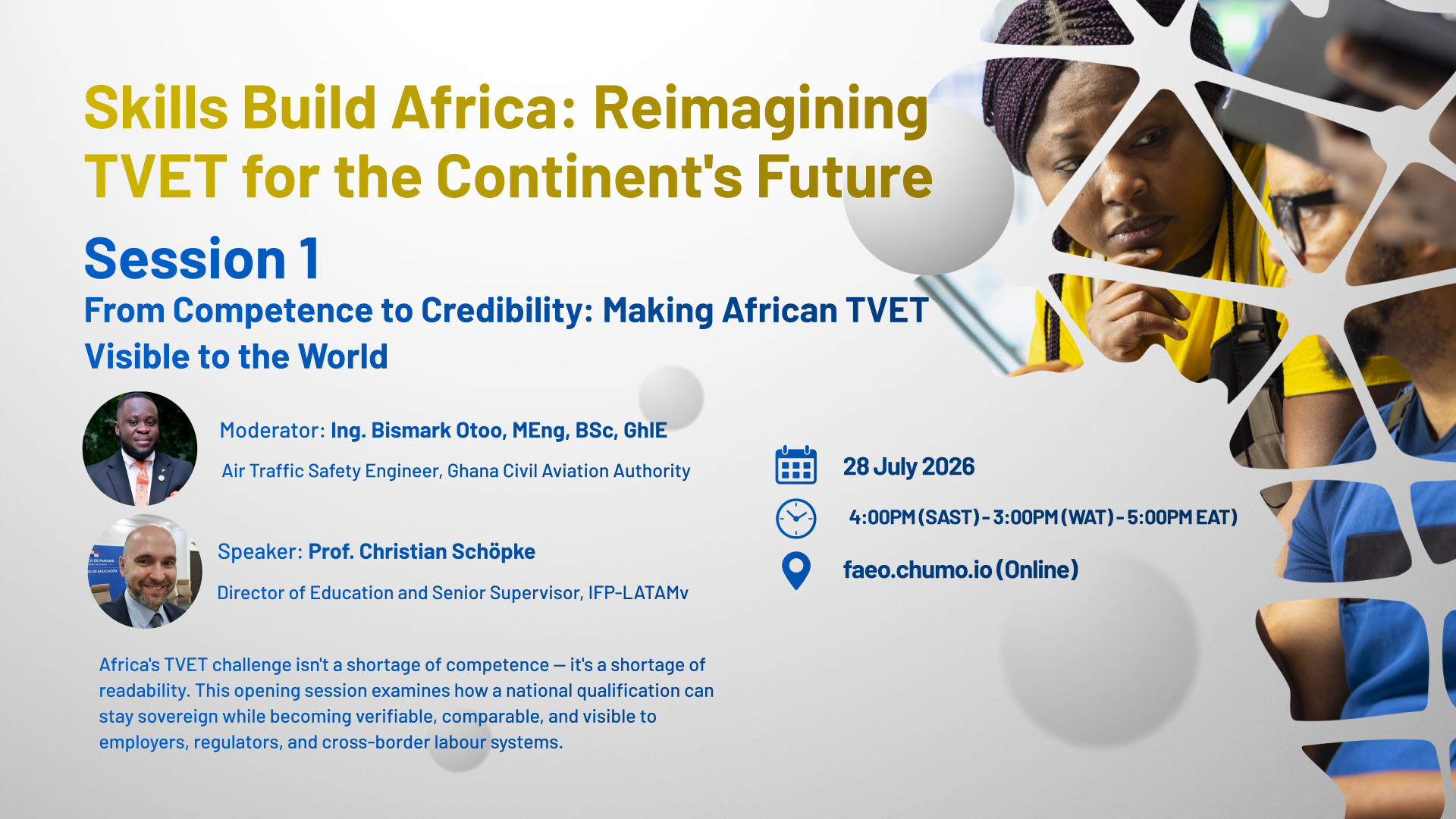
Africa's TVET challenge is not only competence. It is whether that competence can be read, trusted and compared across borders. This opening session explores how a national qualification can remain sovereign while becoming verifiable to employers, regulators and international labour systems. Examine what makes skills evidence portable, how comparability supports professional mobility and where institutions can improve the visibility of existing competence without surrendering local control. Featuring Prof. Christian Schöpke, Director of Education and Senior Supervisor at IFP-LATAM, with moderation by Ing. Bismark Otoo of the Ghana Civil Aviation Authority. Designed for TVET leaders, qualification authorities, regulators, employers and development partners working on skills recognition and cross-border mobility. Access the session and make African technical competence easier for the world to recognise.